
The digital landscape undergoes constant evolution, placing immense pressure on digital agencies to deliver results faster, more accurately, and at a greater scale than ever before. Search Engine Optimization (SEO), once a process reliant heavily on manual effort and educated guesswork, has transformed into a data-science discipline. The fusion of machine intelligence and creative human expertise now defines the next generation of marketing success. Digital agencies must not simply adapt to this change; they must lead it by integrating cutting-edge technology into their core operations. Embracing the power of algorithms and large language models is no longer optional—it is the prerequisite for achieving high-conversion outcomes and maintaining a competitive edge. This shift empowers agencies to move beyond reactive strategies and towards proactive, data-informed campaigns that guarantee superior client performance. The era of pure manual SEO is over; the age of intelligent automation has arrived.
The New Frontier: Why AI is Essential for Modern Digital Agencies
In an ecosystem where search engine algorithms update continuously and content volume explodes exponentially, human teams struggle to keep pace with the sheer velocity of data and optimization demands. AI offers the computational capacity to analyze petabytes of competitor data, consumer behavior, and search rankings in milliseconds, identifying opportunities that would take a team of analysts weeks to uncover. For digital agencies managing dozens or even hundreds of client accounts, this capability translates directly into scalable efficiency and measurable ROI. Leveraging AI allows agencies to reallocate valuable human talent from monotonous, repetitive tasks to high-value strategic thinking and client relationship building, fundamentally reshaping the agency business model toward exponential growth.
Shifting the Paradigm with AI SEO services
Digital agencies now actively seek out providers who can offer sophisticated, algorithm-driven solutions. The demand for AI SEO services stems from the need to move beyond traditional, time-consuming methods. These services automate complex analyses, offering prescriptive recommendations instead of merely descriptive reports. This means agencies can pivot from identifying problems to implementing high-impact solutions almost instantaneously, dramatically shortening the time-to-value for their clients. A comprehensive suite of these services acts as a force multiplier, giving smaller, agile agencies the competitive firepower of much larger corporations.
Overcoming Scale Challenges with Automated SEO
Scale represents one of the most persistent bottlenecks for growing digital agencies. Manually scaling campaign execution, content creation, and technical audits across numerous clients consumes vast resources and introduces the high risk of human error. Automated SEO solutions directly address this challenge, handling routine tasks like link validation, meta tag generation, and structural data markup at a volume that human teams could never match. This systematic approach ensures consistent quality across all client campaigns, standardizing optimization processes and freeing up expert strategists to focus on the unique challenges that truly require human ingenuity and client-facing communication.
Revolutionizing Content Strategy with Intelligent Algorithms
Content remains the lifeblood of any successful SEO campaign, yet producing high-quality, relevant, and perfectly optimized content at scale is notoriously difficult. AI fundamentally changes this equation, transforming the content pipeline from a linear, effort-heavy process into an agile, data-driven engine. AI tools can analyze top-performing content across an entire niche, identifying semantic gaps, structural weaknesses, and audience intent mismatches, guiding human writers to create truly market-leading assets. This ensures every piece of content published possesses the highest possible chance of ranking, converting, and driving business goals.
Precision Targeting through AI keyword research
The traditional method of finding keywords often relies on outdated volume metrics and guesswork about user intent. By contrast, AI keyword research employs natural language processing to dissect search queries and determine the true intent (informational, commercial, transactional) behind them. It uncovers vast long-tail opportunities that human researchers typically miss, and identifies "topic clusters" that map directly to advanced search engine ranking models like Google’s E-A-T (Expertise, Authoritativeness, Trustworthiness) framework. Agencies use this precision to build hyper-targeted content strategies that capture users at every stage of the marketing funnel.
Crafting High-Performance Content: The Role of AI content optimization
After initial content creation, the optimization phase is critical. AI content optimization tools analyze a draft against the top-ranking pages for a target query, providing a measurable "optimization score." They suggest exact placement of primary and secondary keywords, recommend LSI (Latent Semantic Indexing) terms to increase topical authority, and even guide improvements to readability and user engagement signals. This iterative, data-backed process removes the subjectivity from content editing, ensuring the final piece is perfectly calibrated to meet Google Bot’s requirements for semantic completeness and relevance.
Elevating Client Value with a Cohesive AI SEO strategy
A successful campaign requires a clear, executable plan. Developing an AI SEO strategy means employing algorithms not just for execution, but for the fundamental planning of campaigns. AI analyzes a client's current performance, competitor landscape, and budget constraints to model multiple potential strategies, predicting the ROI for each. This allows agency strategists to present clients with data-validated, high-confidence plans, justifying expenditure with probabilistic outcomes and moving discussions from "what if" to "this is how we will achieve X result."
The Future is Now: Implementing AI powered content creation
The highest level of integration involves the actual generation of content. AI powered content creation tools can draft product descriptions, outline blog posts, generate headlines, and produce initial copy iterations based on specific data inputs. Crucially, in a human-first SEO world, this content serves as a hyper-optimized first draft, which human editors and subject matter experts then polish, fact-check, and infuse with unique voice and perspective. This collaborative model maintains authenticity while achieving unprecedented speed and scale, delivering unique, high-quality content that engages the reader.
Core Technologies Driving AI SEO Innovation
The term "AI" itself encompasses a range of complex technological components, each playing a vital role in advancing SEO capabilities. Digital agencies must understand these underlying concepts to properly articulate the value and sophistication of their offerings to their clients. The true power lies in the interaction and application of these sophisticated models to solve real-world marketing challenges.
Understanding Search Intent with natural language processing SEO
The foundation of understanding search queries and content quality rests with natural language processing SEO. NLP allows algorithms to interpret the nuances of human language—context, sentiment, and intent—which is vital for modern search engines. AI tools utilize NLP to analyze the structure and semantics of a client's content, ensuring it directly and fully answers the questions a user is asking. This technology helps bridge the communication gap between human writers and search algorithms, guaranteeing that content resonates with both.
The Analytical Power of machine learning SEO
machine learning SEO involves algorithms that learn from vast datasets without being explicitly programmed. ML models observe correlations between factors like site speed, backlink profiles, content length, and ranking positions, developing a dynamic understanding of what truly drives performance. For an agency, this means their optimization advice is continuously informed by the latest data trends, rather than static, years-old best practices, ensuring maximum impact for every tactical adjustment they make.
Advanced Data Processing through deep learning SEO
Taking machine learning a step further, deep learning SEO uses neural networks with multiple layers to perform complex tasks like image recognition within content and predicting how major algorithm updates will affect different verticals. Deep learning is essential for tasks requiring pattern recognition in extremely large, unstructured datasets, allowing agencies to derive highly sophisticated insights, such as understanding the optimal visual content mix for a niche or anticipating user interface shifts that impact search behavior.
Seeing Around Corners with predictive SEO
One of the most valuable capabilities AI brings to an agency is the ability to forecast outcomes. predictive SEO uses historical data, current trends, and complex modeling to project future ranking changes, traffic shifts, and conversion rates based on proposed optimization actions. This capability transforms the agency-client relationship from a reporting function into a strategic partnership, allowing the agency to confidently promise and deliver specific, measurable results, giving clients a vital look into the future performance of their investment.
Automating the SEO Workflow for Maximum Efficiency
The cumulative benefits of AI are realized through the seamless integration of these technologies into the daily operational workflow of a digital agency. The goal is to maximize the time human experts spend on strategy and client management while offloading repetitive, high-volume tasks entirely to intelligent systems. This systematic application of intelligence dramatically improves output quality while reducing operating costs.
Integrating Tools for Full SEO automation
Achieving full SEO automation requires stitching together various AI tools—from content generators to ranking monitors—into a cohesive operational platform. This integrated system ensures data flows seamlessly across all stages of a campaign, from initial research to final reporting. Agencies that successfully implement this integration can onboard new clients faster, deploy complex strategies with greater consistency, and deliver portfolio-wide performance uplifts, making their services highly valuable and indispensable to clients.
Simplifying Core SEO Tasks with SEO AI automation
SEO AI automation focuses on simplifying and executing the foundational elements of optimization. This includes auto-generating optimized meta descriptions and titles, identifying broken internal links, suggesting internal linking structures based on topical relevance, and prioritizing content updates based on decay analysis. By automating these core tasks, agencies ensure that the fundamentals of every website they manage are always compliant with the latest search standards.
Streamlining Website Health Checks via automated SEO audit
Manual website auditing represents a major time drain for any agency, yet it is essential for identifying critical performance barriers. The automated SEO audit capability allows an AI to crawl a website at scale, instantly flagging issues related to crawlability, site architecture, security, and loading speed. Unlike simple tools, AI-powered audits provide prioritized, actionable remediation steps, complete with estimated impact, allowing the agency's development team to execute fixes with surgical precision and minimal wasted effort.
The Next Generation of Optimization: automated content optimization
automated content optimization refers to systems that monitor content performance post-publication and trigger alerts or even suggest specific content edits based on real-time data. If a piece of content starts to slip in rankings, the system analyzes the new top-ranking competition and suggests the exact paragraphs, terms, or heading structure modifications required to regain its position, keeping the client's content fresh and competitive without constant human oversight.
Effortless Execution of automated on-page SEO
The technical execution of on-page optimization—schema markup, image alt tags, canonical tags, and mobile responsiveness—is highly rule-based and perfect for AI execution. automated on-page SEO ensures that every element of a webpage is meticulously optimized according to both established best practices and dynamic, AI-discovered niche requirements. This guarantees that human writers can focus purely on the narrative and informational quality, trusting that the technical foundation is immaculately handled by the system.
The Specialized Applications of AI in Search Engine Optimization
As search engine capabilities become more complex, so too must the optimization techniques applied by digital agencies. AI provides the necessary sophistication to tackle these specialized, high-impact areas of SEO that are often too technical or fragmented for efficient manual execution. These advanced applications differentiate the truly modern agency from its competitors, providing value that is difficult to replicate.
Beyond the Basics: Focusing on AI technical SEO
AI technical SEO delves into the structural and developmental aspects of a website that impact search engine access and interpretation. This includes analyzing server log files to understand Google Bot's crawl budget allocation, optimizing Core Web Vitals (CWV) through predictive resource loading, and ensuring flawless implementation of complex schema markup across dynamic sites. By automating these technical processes, agencies guarantee the foundation of the client's site is robust, fast, and perfectly legible to search engines.
Securing Authority with Strategic AI link building
Effective link building is about quality, not just quantity. AI link building utilizes algorithms to analyze the authority, relevance, and semantic context of potential linking domains, filtering out low-value or risky opportunities. It identifies "link gap" opportunities by analyzing competitor backlink profiles and matches them to a client's content, prioritizing outreach targets that offer the highest measurable authority transfer and domain trust improvement. This shifts link acquisition from a volume game to a strategic, quality-controlled process.
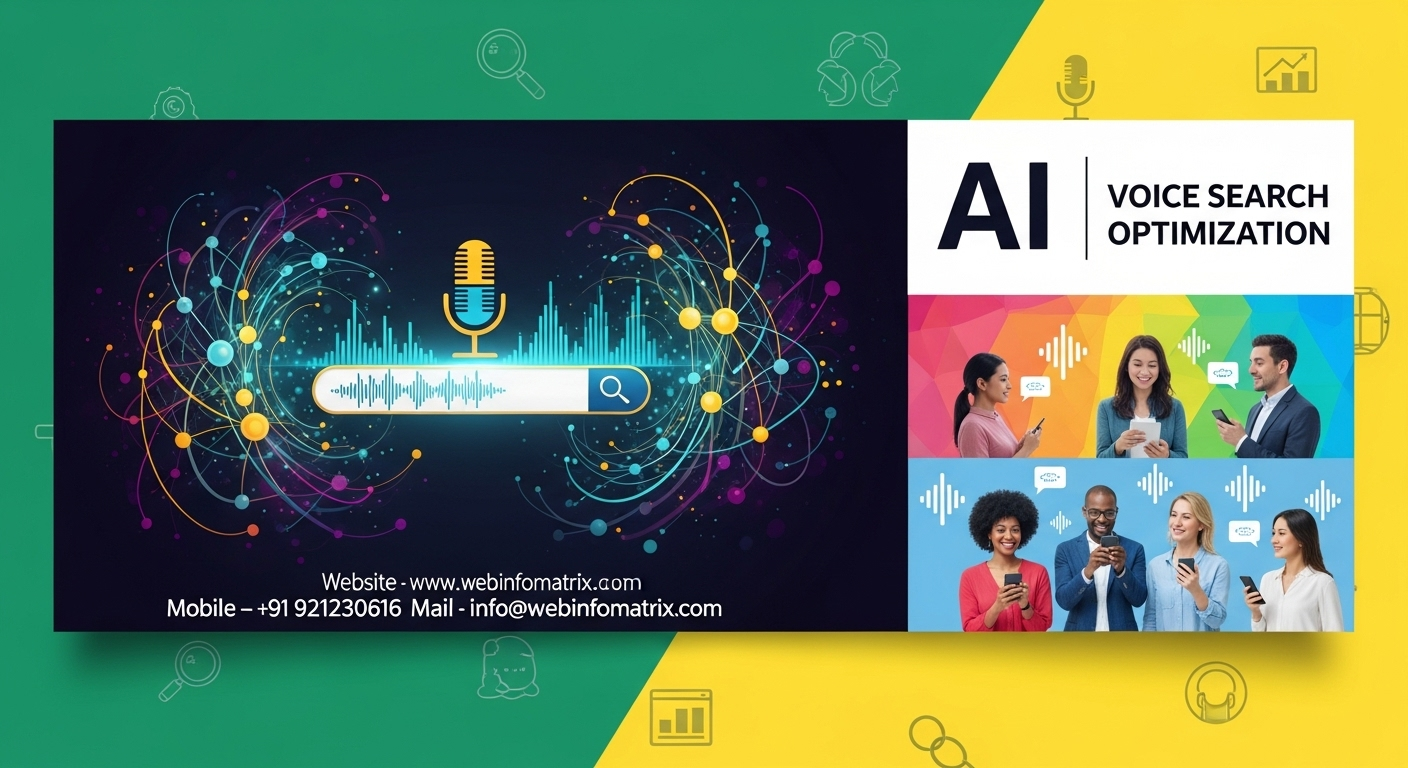
Optimizing for Modern Search: AI voice search optimization
The rise of smart speakers and mobile assistants necessitates a new approach to queries, which tend to be longer, more conversational, and phrased as natural questions. AI voice search optimization tools analyze the syntax and question patterns common in voice search, adapting content to naturally include question-and-answer formats that satisfy this evolving user behavior. This allows agencies to capture zero-click answers and dominate the growing market share of hands-free search queries.
Mastering the SERP Real Estate with AI featured snippet optimization
Featured Snippets, often called "Position Zero," provide high visibility and traffic. AI featured snippet optimization algorithms analyze the format (paragraph, list, table) that Google prefers for specific queries and recommends exact content structural changes to match. This tool helps agencies meticulously format content—ensuring conciseness, clarity, and keyword proximity—to maximize the chance of earning these coveted snippets and effectively leapfrogging the competition on the Search Engine Results Page (SERP).
Reaching Users Everywhere with AI mobile SEO
Given Google’s mobile-first indexing paradigm, a site’s mobile performance is its primary ranking factor. AI mobile SEO constantly monitors mobile user experience (UX) signals, identifying elements that cause friction, slow down rendering, or lead to frustrating user interactions. It automatically suggests optimizations for image compression, script loading order, and touch target sizes, ensuring the client's mobile presence is flawlessly fast, responsive, and compliant with all Google mobile experience metrics, guaranteeing optimal performance on all devices.
Measuring Success and Elevating the Agency's Offering
The true metric of AI integration is not just efficiency, but the tangible improvement in client outcomes. AI systems provide a layer of granular tracking and analytical depth that transforms traditional reporting into actionable business intelligence, proving the ROI of the agency’s services with irrefutable data.
Guaranteeing High Conversion with AI content marketing
The ultimate goal of any optimization effort is conversion. AI content marketing applies AI not just to ranking, but to the entire user journey. It analyzes user behavior on-site—scroll depth, time on page, click paths—to determine which content types, calls-to-action (CTAs), and layouts are most effective at driving conversions. Agencies use this data to dynamically personalize content and CTAs, ensuring that traffic gained through SEO efforts translates directly into sales, leads, and measurable client revenue.
Ensuring Continuous Improvement through AI SEO performance tracking
Tracking performance in a complex, multi-variable environment demands constant vigilance. AI SEO performance tracking systems ingest and analyze data from Google Analytics, Search Console, and proprietary ranking sources, instantly identifying correlations between optimization actions and performance shifts. This continuous loop of analysis and reporting allows agencies to demonstrate the exact value of every tactic, refine their models, and proactively communicate progress and potential risks to clients with unparalleled transparency.
Delivering Superior Results with AI SEO optimization
The holistic application of all AI technologies leads to comprehensive AI SEO optimization. This high-level capability involves prioritizing every single optimization task across a client’s portfolio based on its predicted impact and required effort. By prioritizing tasks this way, agencies ensure they are always working on the highest ROI activities, effectively guaranteeing the maximum possible increase in organic visibility and traffic for the investment made by the client.
The Comprehensive Approach: Embracing AI powered SEO
AI powered SEO signifies a total philosophical commitment by an agency to integrate intelligent systems into every facet of their operation. It means that from the moment a new client is onboarded to the final monthly report, AI informs the strategy, drives the execution, and measures the results. This comprehensive adoption transforms an agency into a modern, highly scalable, and future-proof enterprise capable of handling the most demanding digital marketing challenges.
The Grand Vision: The Impact of artificial intelligence SEO
The integration of artificial intelligence SEO is not just a technological upgrade; it represents a strategic evolution of the digital marketing industry itself. Agencies that fully embrace this technology will not merely service their clients; they will partner with them to define new market standards, achieve previously unattainable organic growth, and cement their reputation as innovators and leaders in the hyper-competitive digital landscape. This intelligent approach guarantees higher conversions, greater retention, and a far superior, demonstrable ROI for every client they serve.
Embracing the Intelligent Evolution of Content
Digital agencies face a defining moment. The sheer volume and complexity of the digital world demand a paradigm shift from manual effort to intelligent automation. The strategic adoption of AI tools—from high-level planning with AI strategy to meticulous execution via automated on-page SEO—empowers agencies to deliver on their promise of superior organic performance. By fully integrating AI powered content creation, agencies ensure their human teams focus on creativity and client relationships, while algorithms handle the data-heavy, repetitive tasks of optimization. This balanced approach guarantees content is not only unique and human-centric but also perfectly optimized for conversion and search authority, securing the agency's competitive advantage in a rapidly accelerating digital future.
Frequently Asked Questions (FAQs)
Q1: How does AI ensure the content is "human-written" and unique, as required by Google Bot?
AI systems, particularly those focused on content creation, are used primarily for research, analysis, and generating highly optimized drafts or outlines. The agency's human writers then infuse these drafts with unique expertise, voice, tone, and personal anecdotes, which adds the necessary E-A-T (Expertise, Authoritativeness, Trustworthiness) signals that Google prioritizes. The final, published content is a collaborative effort: AI ensures optimization and speed, while the human guarantees originality and quality.
Q2: Is AI SEO services safe to use, given Google’s stance against automatically generated content?
Yes, because modern AI SEO services focus on optimization and augmentation, not black-hat spamming. They analyze data, suggest improvements, and automate technical tasks like audits and performance tracking. They are tools for making human-written content better, not substitutes for quality writing, and are considered safe and compliant with search engine guidelines.
Q3: What is the primary difference between machine learning SEO and deep learning SEO?
machine learning SEO involves algorithms that learn from data to make predictions or decisions based on simple structures. deep learning SEO uses complex neural networks with multiple layers, allowing it to handle more abstract and complex data, such as image or video content analysis, and develop deeper, less predictable patterns for forecasting and optimization. Deep learning is essentially a more advanced subset of machine learning.
Q4: How does AI keyword research differ from traditional manual research?
Traditional research often relies on finding keywords with high search volume and low competition. AI keyword research goes beyond simple volume metrics. It uses NLP to analyze the semantic relationship between queries and content, identifying user intent, discovering long-tail topic clusters, and prioritizing keywords based on the probability of conversion, not just raw traffic potential.
Q5: Can automated SEO audit tools replace a human SEO consultant entirely?
No. The automated SEO audit provides a fast, comprehensive diagnosis of technical issues. However, a human consultant remains essential for interpreting the audit’s findings, prioritizing the fixes based on the client's business goals, and strategizing the long-term implementation of the recommendations. The AI provides the data, and the human provides the wisdom and strategic direction.
Q6: What specific improvements does AI voice search optimization bring to content?
AI voice search optimization adapts content to match the conversational nature of voice queries. It ensures content is structured to provide concise, direct answers (often less than 30 words), includes natural-language question phrasing, and targets featured snippets, as voice searches are highly reliant on these zero-click answer boxes.
Q7: How can an agency guarantee high conversions using AI content marketing?
AI content marketing achieves high conversion rates by using AI to map content performance to specific conversion events. The system analyzes what elements—like content length, CTA placement, or topic selection—correlate highest with leads or sales, allowing the agency to constantly refine and personalize the content experience for maximum business impact.
Q8: What is the main benefit of using predictive SEO for a digital agency's clients?
The main benefit is transparency and confidence. predictive SEO allows the agency to model the likely outcome (traffic, rankings, revenue) of a proposed SEO investment before the work begins. This ability to forecast results transforms the client relationship into a goal-oriented partnership based on data-backed projections.
Q9: Does AI link building mean automatically acquiring backlinks?
Absolutely not. AI link building automates the research and identification of high-quality, relevant link prospects. It analyzes authority scores and semantic relevance to create a prioritized outreach list. The actual process of securing the link—outreach, negotiation, and relationship building—remains a critical human function.
Q10: What is the role of AI technical SEO in improving site speed?
AI technical SEO analyzes complex site code, resource loading, and rendering pathways, identifying specific bottlenecks that impact Core Web Vitals (CWV) like Largest Contentful Paint (LCP). It provides developers with precise, prescriptive recommendations for code restructuring or asset optimization, often going deeper than simple tools to find the most impactful speed improvements.
Read More – automated content optimization
Read More – AI SEO services
Get In Touch
Website- — www.webinfomatrix.com
Mobile — +91–9990536116
WhatsApp — +91–9990536116
Mail — info@webinfomatrix.com




Write a comment ...